
Teaching Kids to Enjoy Eating Vegetables
Many parents struggle with getting their children to eat and enjoy vegetables. However, with some creativity and patience, you can instil a love for veggies in your kids. Here are some effective strategies to make vegetables more appealing and fun for children.
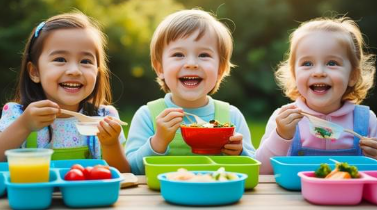
Make Vegetables Fun
Create Art with Food: Use vegetables to create fun shapes or faces on a plate. For example, use slices of cucumber for eyes, a cherry tomato for a nose, and strips of bell peppers for a mouth. This playful presentation can make vegetables more enticing.

Engage Them in Cooking: Involve your kids in the cooking process. Let them wash vegetables, choose which ones to use, or mix them in a salad. When children have a hand in preparing their food, they are more likely to eat it.

Use Fun Names: Give vegetables fun and creative names. For instance, call broccoli “dinosaur trees” or carrots “rabbit sticks.” This can spark curiosity and encourage kids to try them.
Incorporate Vegetables into Favorite Dishes
Veggie Smoothies: Blend vegetables like spinach or kale with fruits in a smoothie. The sweetness of the fruit can mask the taste of the veggies, making it a delicious and nutritious treat.
Hidden Vegetables: Sneak vegetables into dishes your kids already love. Add grated zucchini or carrots to spaghetti sauce, or include finely chopped vegetables in meatloaf or burgers.
Pizza and Tacos: Use pizza or taco nights as an opportunity to introduce new vegetables. Let your kids top their own pizzas or tacos with a variety of colorful vegetables.

Create Positive Experiences
Gardening Together: If possible, grow a small vegetable garden. Kids are more likely to eat vegetables they've grown themselves. This also teaches them where food comes from and how it grows.
Storytelling: Create stories about the vegetables, like how carrots help you see in the dark or how spinach gives you strength like a superhero. This can make eating vegetables feel like an exciting adventure.
Praise and Reward: Offer praise when your child tries a new vegetable, and consider setting up a reward system. For instance, create a chart where they earn a sticker each time they eat a serving of vegetables, leading to a fun reward after a certain number of stickers.
Lead by Example
Children often mimic adult behavior, so it's important to model healthy eating habits. Let your children see you enjoying vegetables and express enthusiasm about trying new ones. Family meals that include a variety of vegetables can set a positive example.
By incorporating these strategies, you'll help your children develop a positive relationship with vegetables, ensuring they receive the essential nutrients they need for growth and development. With patience and persistence, your kids may soon be asking for seconds of their favorite veggies!