
Keeping Fit in Your 60s: It's Never Too Late to Feel Stronger, Healthier and More Alive
Many people reach their 60s believing that slowing down is simply part of getting older. They begin to accept aching joints, stiffness, reduced energy and a lack of confidence as something they have to live with.
The truth is very different.
While our bodies naturally change with age, becoming less active is often a much bigger problem than ageing itself. Regular movement can improve strength, balance, flexibility, mood, heart health and independence well into later life. In fact, your 60s can be one of the best decades to invest in your health.
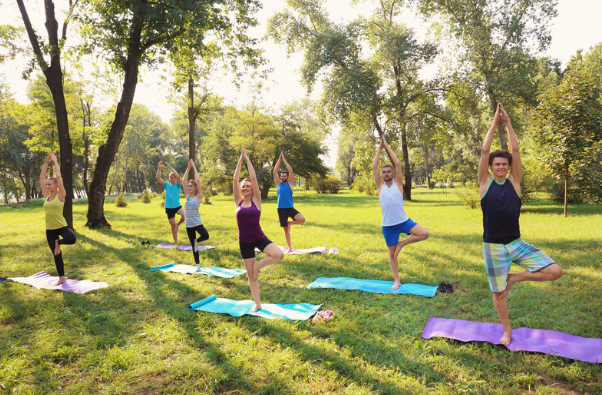
The goal isn't to train like an athlete or spend hours in the gym. It's about moving well, staying mobile and enjoying life for many years to come.
Why Fitness Matters More Than Ever
Keeping active isn't just about looking fit. It's about making everyday life easier.
Regular exercise can help you:
Maintain muscle strength
Improve balance and reduce the risk of falls
Keep your joints moving comfortably
Support heart and lung health
Help manage weight
Improve sleep
Boost mood and confidence
Increase energy levels
Maintain independence for longer
Many people are surprised how quickly they begin to feel better after becoming more active. Even a few weeks of regular movement can make climbing stairs, gardening, carrying shopping or playing with grandchildren feel much easier.
You Don't Need to Exercise for Hours
One of the biggest myths is that fitness requires long workouts, but in reality, consistency is far more important than intensity. I would suggest aiming to move a little every day. Even 20 to 30 minutes of gentle activity can make a significant difference when done regularly. It could be as simple as a brisk walk on some days and stretching, swimming, cycling, dancing or gardening on other days. Every movement counts in the long term.
Walking Is One of the Best Exercises
Walking remains one of the safest and most effective ways to stay fit. It improves heart health, strengthens the legs, helps maintain bone density and boosts mental wellbeing.
Try to:
Walk a little faster than your normal pace.
Explore different parks or countryside paths.
Walk with a friend.
Listen to music or a podcast.
Take the stairs whenever possible.
If you haven't exercised for a while, simply start with ten minutes and gradually increase your distance.
Strength Training Is Essential
Many people believe strength training is only for younger people. Actually, it's one of the most important forms of exercise after 60. From around the age of 30, we naturally lose muscle mass each year. Without regular strength work, everyday tasks become harder. You don't need heavy weights.
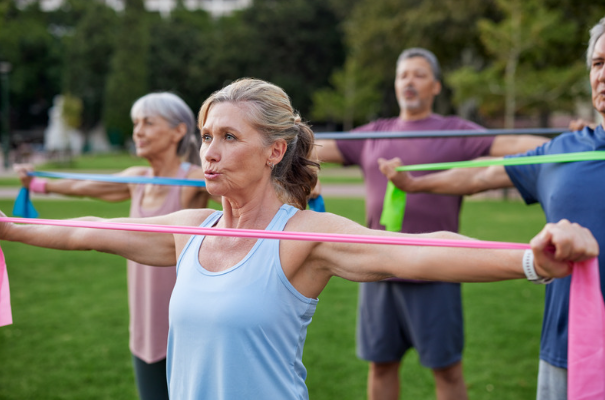
Simple exercises using your own body weight or light resistance bands can help maintain muscle and improve balance.
Examples include:
Chair squats
Wall push-ups
Standing leg raises
Heel raises
Resistance band rows
Gentle step-ups
Performing strength exercises two or three times each week can have remarkable benefits.
Don't Forget Flexibility
Many aches and pains come from tight muscles and stiff joints rather than ageing itself. Gentle stretching keeps the body moving more freely. Focus on areas that commonly become tight:
Neck ~ Shoulders ~ Chest ~ Back ~ Hips ~ Hamstrings ~ Calves
Stretch slowly without bouncing and never force a movement into pain. Yoga, Pilates and simple daily mobility exercises are excellent choices.
Balance Is Just as Important
Falls become more common with age, but balance can be trained. Simple exercises include:
Standing on one leg while holding a chair.
Walking heel-to-toe.
Gentle tai chi movements.
Side stepping.
Controlled weight shifting.
Practising balance for just a few minutes each day can improve confidence and stability.
Listen to Your Body
Keeping fit doesn't mean ignoring pain. There's an important difference between muscles working and pain that signals something isn't right. If an exercise causes sharp pain, stop and seek appropriate advice if needed. On the other hand, mild muscle soreness after trying something new is perfectly normal and usually settles within a day or two. Progress gradually. Small improvements made consistently are far better than doing too much too soon.
Make Movement Part of Everyday Life
Exercise doesn't always have to look like exercise.
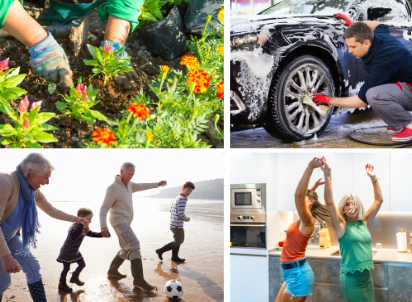
Daily activities all help.
You could:
Garden.
Wash the car.
Walk to the shops.
Play with grandchildren.
Dance in the kitchen.
Carry shopping.
Take regular movement breaks while watching television.
The more opportunities you find to move, the less sitting becomes part of your day.
Rest and Recovery Matter Too
Fitness isn't only about activity. Your body repairs and strengthens itself during rest. Prioritise:
Good quality sleep ~ Relaxation ~ Recovery days after harder activity
Listening to your body helps prevent injury and keeps exercise enjoyable.
It's Never Too Late to Start
Perhaps the most encouraging fact is that the body responds to movement at almost any age. Whether you're 60, 70, 80 or beyond, becoming more active can improve strength, mobility and quality of life. Don't compare yourself with who you were twenty years ago. Compare yourself with yesterday. Celebrate every walk, every stretch and every small improvement. Fitness isn't about perfection. It's about giving your body the opportunity to stay strong enough to enjoy the life you want to live.
Practical Gitti thoughts
Growing older doesn't mean giving up on your health. In many ways, it means looking after it more intentionally than ever before.
We all know we ought to walk that little bit further, stretch the little bit more, build up a little more strength but also celebrate each positive step.
Your future self will thank you for every positive choice you make today.
Remember, staying fit in your 60s isn't about chasing youth—it's about protecting your independence, enjoying the people you love and making the most of every day.
Keep moving, keep smiling and keep believing that it's never too late to feel stronger, healthier and more alive.
Gitti (being in this category myself and trying to get fitter every day)