
Decluttering Your Mental Space: Making Room for Clarity and Calm
In today's fast-paced world, our minds are often cluttered with an array of thoughts, worries, and distractions. Just as we periodically clean and organize our physical spaces, it is equally important to declutter our mental space. By doing so, we can achieve greater clarity and calm, enabling us to focus on what truly matters. Here, we explore effective strategies to help you declutter your mind and create a more peaceful mental environment.
Understanding Mental Clutter
Mental clutter is the accumulation of thoughts, worries, and distractions that occupy our minds, often leading to stress and anxiety. This clutter can stem from various sources, including:
Unfinished tasks: Lingering to-dos that create a sense of overwhelm. This is a huge one.
Negative thoughts: Self-doubt, fear, and criticism that cloud our judgment.
Information overload: Constant influx of news, social media, and other digital distractions.

Strategies for Decluttering Your Mind
1. Practice Mindfulness
Mindfulness is the art of being present in the moment, fully engaged with the here and now. It involves observing your thoughts without judgment and gently bringing your focus back to the present. Techniques like meditation, deep breathing, or simply taking a few minutes to be still can help reduce mental clutter.

2. Prioritize and Organize
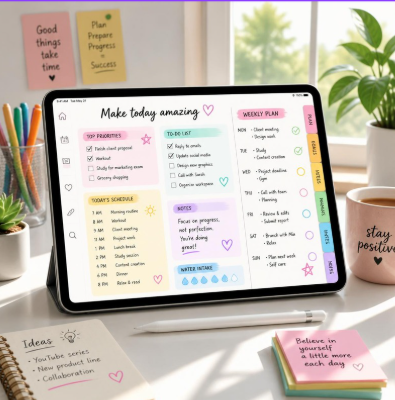
Identify your most important tasks and prioritize them. Use lists or a digital planner to keep track of your responsibilities. By breaking tasks into manageable steps, you can reduce the feeling of overwhelm and maintain a clear focus on one task at a time.
3. Limit Information Intake
In our digital age, it’s easy to become overwhelmed by the sheer amount of information available. Set boundaries for your media consumption by limiting time spent on social media and news. Choose a few trusted sources for your information, and allow yourself breaks from the constant influx.

4. Let Go of Perfectionism
Perfectionism can lead to excessive mental clutter by creating unrealistic standards and constant self-criticism. Embrace the idea of “good enough” and focus on progress rather than perfection. Celebrate small achievements and learn from mistakes without judgment.

I am Enough
5. Practice Gratitude
Gratitude shifts your focus from what is lacking to what is abundant in your life. By regularly acknowledging and appreciating positive aspects, you can foster a more optimistic mindset and reduce negative mental clutter. Consider keeping a gratitude journal or sharing daily reflections with a friend.
Maintaining a Decluttered Mind
Once you’ve taken steps to declutter your mind, it’s important to maintain this newfound clarity and calm. Regularly assess your mental space and adjust your strategies as needed. Create a routine that includes time for relaxation, reflection, and activities that bring you joy and fulfillment.
By implementing these strategies, you can create a mental environment that supports clarity, calm, and well-being, empowering you to navigate life’s challenges with greater ease and resilience.