
Teaching Kids How to Have a Good Posture
Good posture is essential for maintaining a healthy body, especially in children, as it helps in the proper alignment of bones, muscles, and ligaments. Teaching kids how to maintain good posture can prevent future health problems and enhance their confidence. Here’s a guide to help you teach children the importance of good posture and how they can achieve it.
Why Good Posture Matters
Health Benefits: Good posture helps in reducing back and neck pain, improves breathing, and enhances circulation, which is crucial for overall health.
Confidence Boost: Standing tall can make kids feel more self-assured and confident.
Enhances Focus: Proper posture can improve concentration and learning, as it allows for better oxygen flow and energy levels.
Tips for Teaching Good Posture
1. Explain the Concept Simply
Start by explaining what posture is. Use simple language and examples. For instance, you can tell them that posture is how we hold our bodies when standing, sitting, or lying down.
2. Demonstrate Good Posture

Show them what good posture looks like. Stand straight with your shoulders back, chin up, and feet shoulder-width apart. Encourage them to mimic your stance.
3. Use Fun Activities
Incorporate activities that involve balance and coordination. Games like "Simon Says" or "Follow the Leader" can incorporate standing tall and sitting straight commands.
4. Introduce the Wall Test
Have children stand against a wall with their heels, back, shoulders, and head touching the surface. This helps them feel what good posture is like. Encourage them to maintain this posture away from the wall.
5. Make it a Daily Routine
Encourage kids to check their posture regularly throughout the day. Set reminders or create a fun chart where they can track their progress.
6. Ergonomic Furniture
Ensure that their study spaces are ergonomically friendly. Chairs and desks should be at the correct height to support good posture while they work or study.
7. Encourage Physical Activity
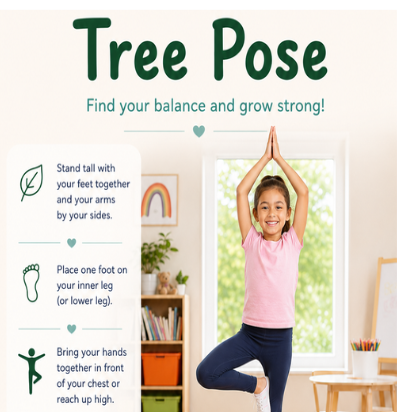
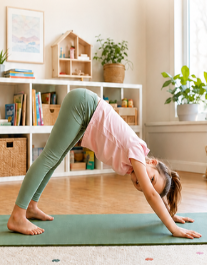
Regular exercise, such as yoga, swimming, or dancing, can help in strengthening the muscles that support good posture and increase flexibility.
Encouraging Consistency
Positive Reinforcement: Praise children when they display good posture. Positive reinforcement can motivate them to continue the behavior.
Role Models: Be a good role model by maintaining good posture yourself. Kids often imitate adults, so your actions can speak louder than words.
Visual Aids: Use posters or videos that show the difference between good and bad posture. Visual aids can be a powerful teaching tool.
Conclusion
Instilling the habit of good posture in children can have long-lasting benefits. By using engaging activities and consistent encouragement, you can help them develop a habit that will support their health and confidence throughout their lives.