
Do You Know Your Garden Weeds?
"A weed is simply a plant whose virtues have not yet been discovered." Ralph Waldo Emerson
Mention the word weed and most gardeners immediately think of something to pull out, throw away, or wage war against. Yet, many of the plants we call weeds are remarkable survivors that have been quietly growing alongside us for centuries. Some feed bees, some improve the soil, some have fascinating histories, and many are simply wildflowers growing in places we didn't expect.
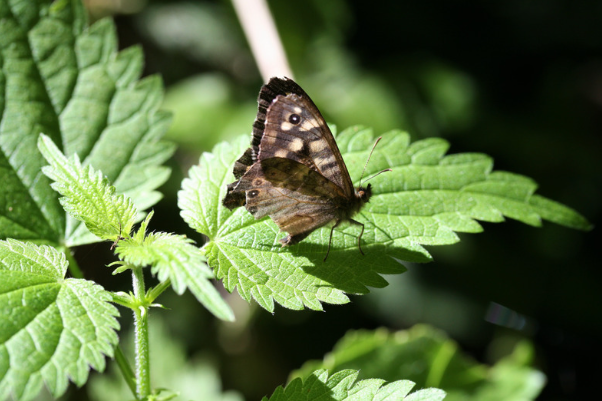
The truth is that not every weed is an enemy.
Learning to recognise the common weeds in your garden is one of the most valuable skills any gardener can develop. Once you know what you're looking at, you'll be able to make informed decisions about which plants to remove, which to leave, and how to manage them naturally. There is this saying, the very plant you need, always grows in your very own garden, meaning it’s a healing plant. ~ unknown
What Exactly Is a Weed?
A weed isn't a specific type of plant. It's simply a plant growing where it isn't wanted. A beautiful daisy growing in a meadow is admired by everyone. The same daisy growing through a perfectly striped lawn may be viewed very differently.
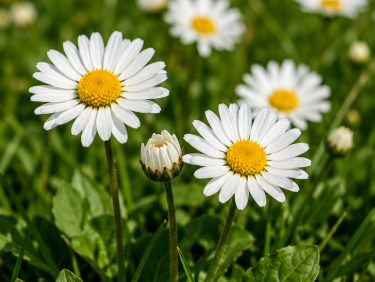
Many plants have earned the label "weed" simply because they spread easily or compete with cultivated plants. But that doesn't mean they're harmful or without value.
In fact, many garden weeds:
Provide food for bees and butterflies.
Help improve soil health.
Protect bare soil from erosion.
Indicate the condition of your soil.
Have a long history in traditional folklore and herbal use.
Understanding your weeds allows you to garden with knowledge rather than frustration.
Why Learning Weed Identification Matters
Many gardeners remove plants before they've even identified them. This can mean accidentally pulling out young wildflowers or beneficial native species.
Knowing your weeds helps you:
Remove invasive plants before they spread.
Encourage biodiversity.
Protect pollinating insects.
Understandwhat your soil might be telling you.
Choose the most effective method of control.
Different weeds require different approaches. Some are annuals that disappear after one season, while others have deep roots that quickly regrow if only the leaves are removed.
Your Garden Is Trying to Tell You Something
One mega fascinating aspect of weeds is that they often thrive in particular soil conditions. For example:
Moss often appears where conditions are damp, shady, or compacted.
Clover frequently grows in lawns that have lower nitrogen levels.
Plantain commonly appears where soil has become compacted from regular foot traffic.
Dandelions are often found in heavy or compacted soils where their long taproots can reach deep below the surface.
These aren't strict rules, but observing which plants repeatedly appear can provide useful clues about your garden.
Rather than seeing weeds only as a nuisance, try viewing them as free indicators of what's happening beneath the soil.
Common Garden Weeds You May Already Know
Many British gardens share the same familiar visitors.
Dandelion
Perhaps Britain's best-known weed, the cheerful yellow flowers provide valuable nectar for pollinating insects, especially early in the season. Its deep taproot can make removal challenging, but that same root also helps loosen compacted soil.
Daisy
Often loved by children, daisies brighten lawns with their white petals and yellow centres. Some gardeners remove them, while others happily leave patches to flower.
White Clover
White clover is excellent for bees and naturally adds nitrogen to the soil through its relationship with beneficial bacteria. Many modern wildlife-friendly lawns actively encourage clover rather than removing it.
Red Clover
Larger than white clover, red clover produces beautiful pink-purple flower heads that attract a wide range of pollinators.
Plantain
Plantain forms flat rosettes close to the ground and often appears on paths or heavily used lawns where the soil has become compacted.
Chickweed
A fast-growing annual that can spread quickly in vegetable beds, but it's also enjoyed by many garden birds.
Groundsel
This common annual weed produces fluffy seed heads similar to tiny dandelions and can spread rapidly if left to seed.
Weeds and Wildlife
Before removing every weed, consider the wildlife living in your garden. Many insects depend on native wild plants for nectar, pollen or shelter. Bees visit dandelions and clovers.
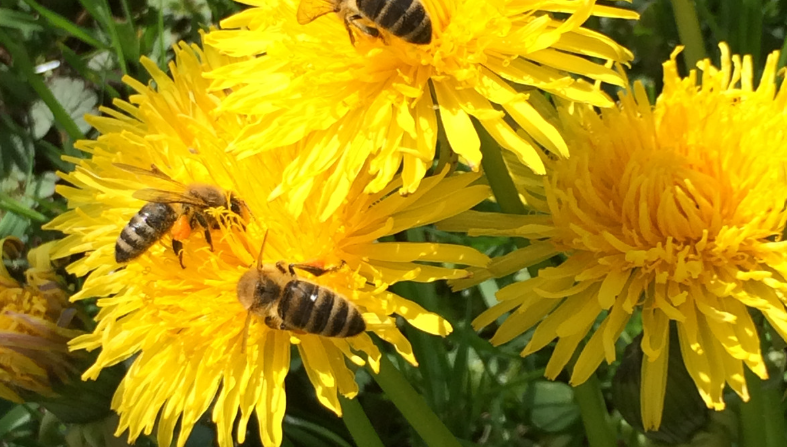
Butterflies rely on many wildflowers. Birds often feed on weed seeds. Even a small corner of your garden left a little wilder can become an important habitat.
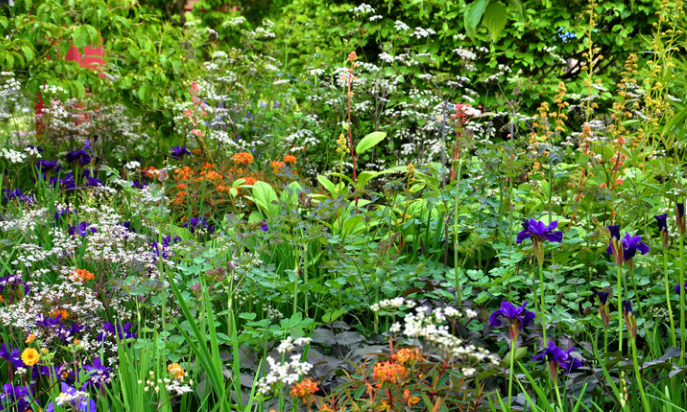
Creating a balance between tidy gardening and supporting nature is something many gardeners now aim for.
Natural Ways to Manage Weeds
You don't always need chemical weed killers to maintain a beautiful garden. Simple methods often work extremely well:
Pull weeds while they're young.
Small weeds are much easier to remove than established ones.
Remove roots where possible.
Perennial weeds often regrow if roots remain.
Use mulch.
A layer of bark, compost or leaf mould helps block sunlight, making it harder for weed seeds to germinate.
Hoe regularly.
Light hoeing on dry days can keep annual weeds under control.
Avoid letting weeds set seed.
Removing flowering weeds before seeds develop greatly reduces future problems.
Grow healthy plants.
Strong plants naturally shade the soil, leaving less space for weeds.
Do All Weeds Need Removing?
Not necessarily. Many gardeners are now adopting a more relaxed approach. Always ask yourself:
Is it causing harm?
Is it spreading aggressively?
Is it competing with vegetables or young plants?
Is it supporting wildlife?
Is it actually bothering anyone?
Sometimes the answer is yes - and removal is the best option. Other times, leaving a few wildflowers can make your garden healthier and more vibrant.
A New Way of Looking at Your Garden
The next time you notice an unfamiliar plant appearing in your flower bed or lawn, pause before reaching for the trowel. Take a closer look. What shape are the leaves? Does it attract insects? Can you identify it?
You may discover you've been pulling out something surprisingly interesting for years.
Learning the names of common weeds transforms gardening from simply maintaining a space into understanding the living ecosystem around you.
Final Thoughts
Every gardener encounters weeds. They're part of working with nature rather than against it.
Some will need managing, especially invasive species that compete with your favourite plants. Others deserve a little appreciation for the role they play in supporting wildlife, improving soil, or simply adding unexpected beauty.
The more you learn to recognise the plants growing around you, the more confident you'll become as a gardener.
After all, every plant has a story. Sometimes the ones we overlook have the most interesting stories of all.
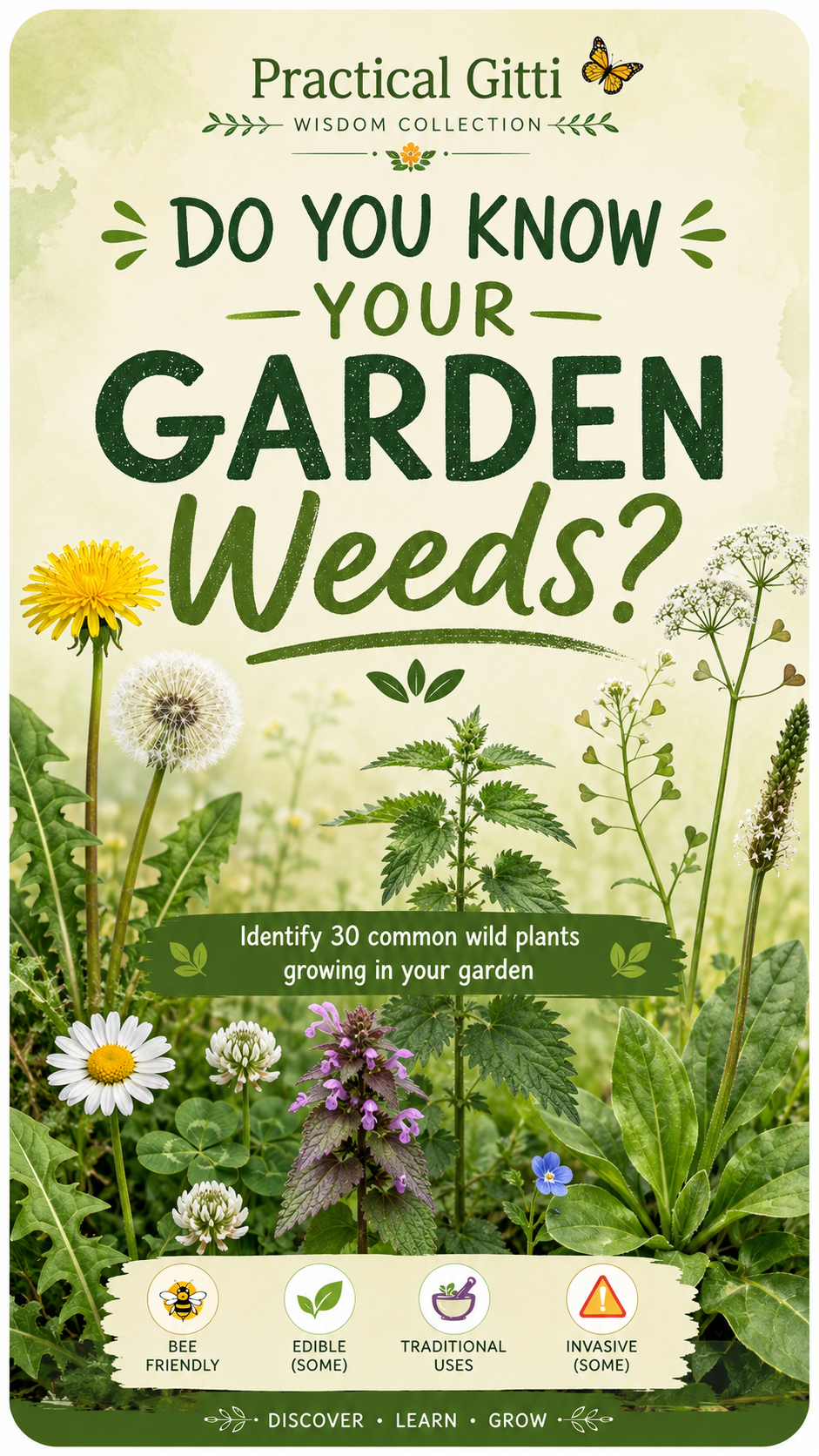
Our "Do You Know Your Garden Weeds?" card collection introduces many of Britain's most common garden weeds with easy identification tips, interesting facts, and practical information to help you recognise what's growing in your garden. Whether you're a beginner or an experienced gardener, it's a simple way to build your knowledge one plant at a time. All 30 cards are now available in our PracticalGitti App.