
Why the Atlas (C1) Matters More Than You Think - And What Happens When It’s Out of Alignment
This very bone is definitely the story of my life and has played a massive part since my 20s. I have finally put together a blog post since this is so very important to me and hopefully others too.
If you’ve ever struggled with neck tension, headaches, dizziness, or a feeling that your posture is “off,” there’s one tiny bone that may be playing a bigger role than you'd expect — the C1 vertebra, also known as the Atlas.
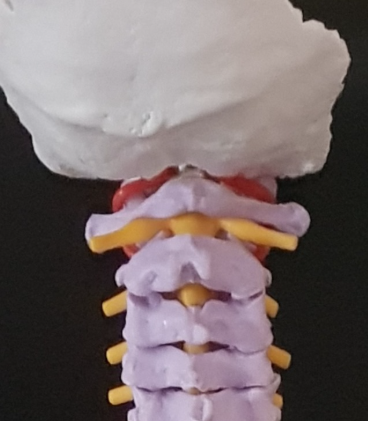
The top bone under the skull is called the Atlas
The Atlas is the very first bone of your spine, sitting right underneath the skull. Even though it’s only about the size of a large ring, it supports the full weight of your head and plays a crucial role in balance, posture, movement, and even how your nervous system functions. Because of this, when the Atlas shifts out of alignment, even slightly, the effects can travel far beyond the neck. Maybe an even better explanation is the following:
The Atlas is a ring-shaped vertebra with no body, designed to cradle and support the skull. Its size varies slightly between individuals, but anatomical research gives consistent averages like typical measurements in adults is about 7-8 cm wide (side to side).
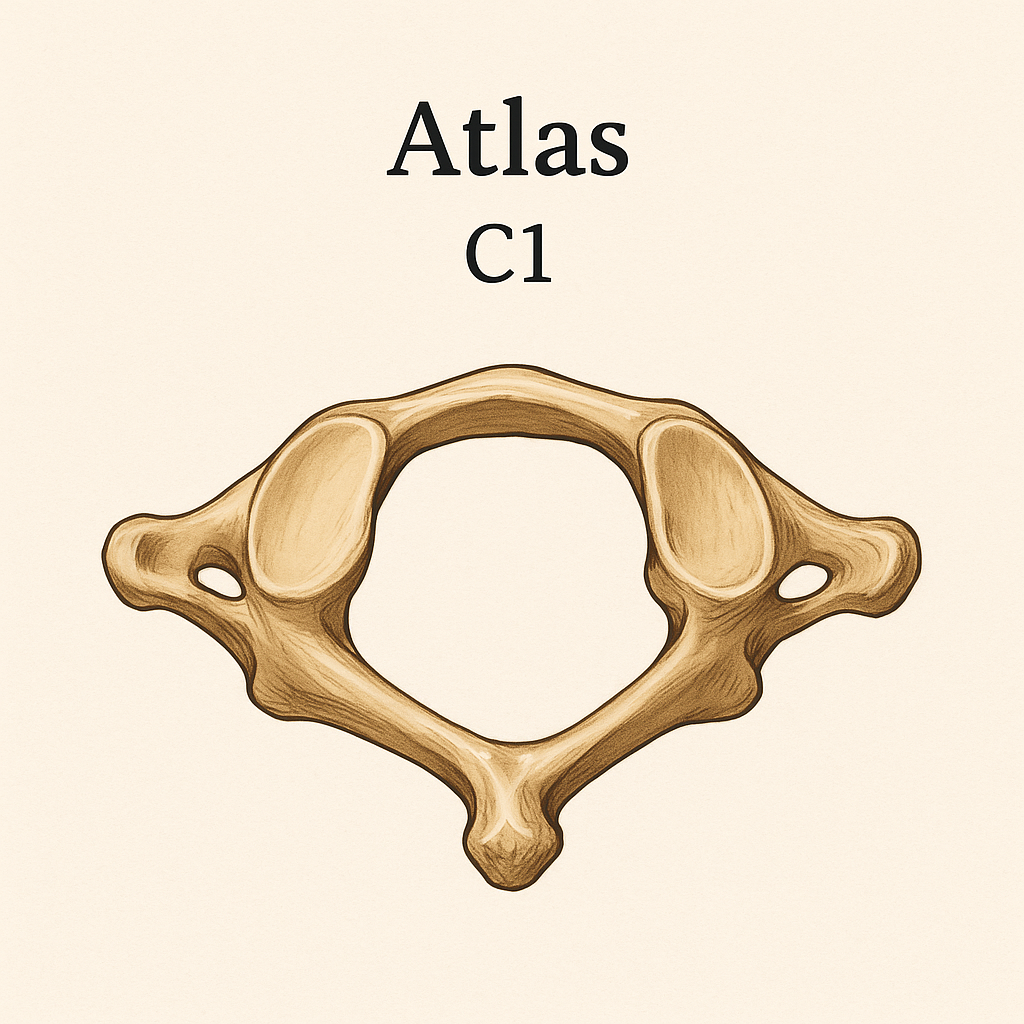
The Atlas or also called C1
In this blog, we’ll dive into what the Atlas does, why its alignment matters, and how a small imbalance in this one area can create symptoms from top to bottom.
We’ll also explore why gentle methods like the Dorn Method can be so effective in restoring natural balance.
Let’s start at the beginning.
What makes the Atlas (C1) so special?
Most bones in your spine are shaped like rectangular blocks.
The Atlas is different - it’s a delicate ring, designed not to carry compressive weight like the others but to support the entire skull and allow maximum freedom of movement. It works together with C2 (the Axis) to let you turn, nod, tilt, and rotate your head with ease.
What are the unique features of the Atlas/C1 ?
It has no disc above or below it.
It holds the weight of the skull.
It surrounds part of the brainstem, a highly sensitive area.
It influences the entire chain of postural muscles.
It acts like the top “platform” of your spine - everything else adjusts beneath it.
Even a small change in how the Atlas sits will affect the rest of the body.
1. The Atlas and Head Balance
Your head weighs roughly 4–6 kg ~ similar to a bowling ball. When it sits squarely on C1, the load is evenly distributed.
But if the Atlas rotates or tilts even a few millimetres, the head no longer rests evenly on the spine.
Your body immediately responds with compensations such as:
the head drifting forward
one shoulder lifting higher
muscles tightening around the jaw or neck
the mid-back contracting to stabilise
the pelvis tilting to rebalance the shift
These changes usually happen so gradually that people don’t notice them until symptoms appear.
What you might feel:
neck tension
stiffness turning the head
headaches
discomfort between the shoulder blades
fatigue in the neck muscles
Because the Atlas is the base for your skull, its alignment determines how comfortably you can hold your head upright.
2. The Atlas Protects the Brainstem — A Very Sensitive Area
The Atlas forms a protective ring around the very top of the spinal cord and the lower part of the brainstem. This area is responsible for essential functions like:
breathing patterns
heart rate
blood pressure regulation
balance
muscle tone
body awareness
When C1 is misaligned, it doesn’t crush or damage the brainstem, but the surrounding tissues and muscles often react with tightness, guarding, and reduced mobility. This tension alone can trigger a variety of symptoms.
Common complaints related to upper cervical imbalance:
Migraines
Tension headaches
Feelings of pressure behind the eyes
Dizziness or unsteadiness
Jaw tightness
Ear or sinus sensitivity
Neck “crunching” sensations
Many people are surprised that such a small bone can influence how they feel daily - but the nervous system is incredibly sensitive to mechanical changes.
3. The Atlas and Whole-Body Posture
One of the most fascinating things about the Atlas is how it affects posture all the way down to the feet.
Your body has a natural reflex called the Righting Reflex, which ensures that your eyes always stay level with the horizon. This is a survival mechanism - it keeps you oriented, balanced, and safe.
So what happens if the Atlas is tilted?
Your body adjusts everything else beneath it.
Possible compensations include:
one shoulder higher than the other
ribcage rotation
one hip sitting forward
pelvis tilting
apparent leg-length difference (functional, not structural)
uneven weight distribution through the feet
This is why someone might feel “uneven,” but can’t explain why.
The root cause often starts right at the top.
And because the spine works as one continuous chain, a misalignment at C1 can create tension patterns all the way into the lower back, hips, and legs.
4. Muscle Tension and Movement Restrictions
So many muscles attach around the Atlas: the suboccipitals, upper trapezius, sternocleidomastoid, levator scapulae, and deep stabilisers.
If C1 shifts out of its optimal position, these muscles have no choice but to tighten in compensation.
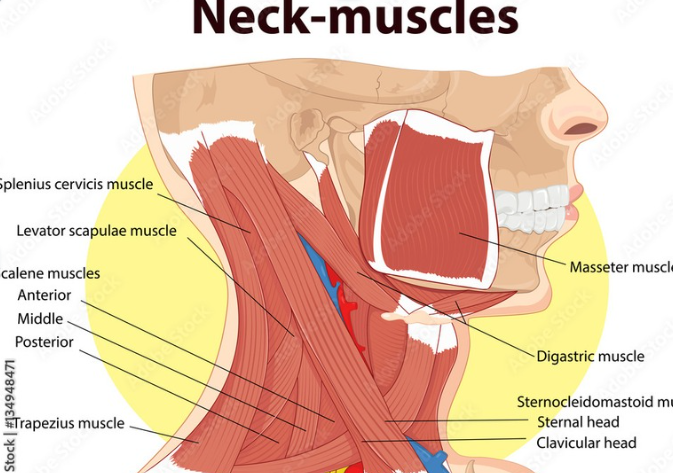
Muscles of the Neck (photo borrowed from Adobe)
You may notice:
increased neck tension
difficulty turning your head fully
pain between the shoulder blades
a feeling of heaviness or fatigue in the neck
tension headaches
jaw clenching or grinding
a sense that the head doesn’t sit “right”
Many people say things like:
"It feels like my head is off-centre" or "I can’t get comfortable, no matter how I sit" — these sensations are often related to upper cervical alignment.
5. Breathing changes when the Atlas is misaligned
You might not expect breathing to be affected by the first vertebra in your spine - but it often is.
When the head shifts forward because of Atlas imbalance, the body compensates by tightening the muscles at the front of the neck and upper chest. This restricts natural breathing and leads to shallow, upper-chest breathing patterns.
Effects of altered breathing include:
More neck and shoulder tension
Increased anxiety or stress sensitivity
Reduced oxygen flow
Fatigue
Poor rib mobility
When breathing becomes restricted, the nervous system remains in a mild state of alertness, which increases overall muscle tone and tension - again feeding into the cycle of discomfort.
6. How Atlas misalignment can trigger headaches
Headaches connected to C1 misalignment are extremely common because of the dense network of nerves, muscles, and blood vessels in the area.
The muscles underneath the skull - the suboccipitals - are especially sensitive. When the Atlas rotates or tilts, these tiny muscles tighten and can irritate nearby nerves. That sure happens to me every now and then and can be hugely uncomfortable.
This can lead to:
Headaches starting at the base of the skull
Pain radiating behind the eyes
Temple pressure
Scalp tenderness
Migraines triggered by poor posture or tension
Many clients say their headaches ease significantly when their upper cervical alignment improves.
7. The Atlas and functional leg-length differences
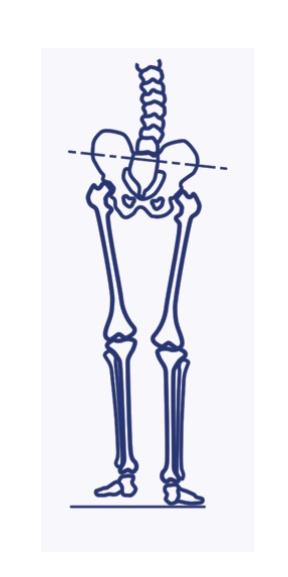
A fascinating part of assessing the Atlas is how it links to the pelvis and legs.
If C1 is not balanced, the spine compensates - and eventually, the pelvis rotates or tilts. This often results in what appears to be one leg shorter than the other.
Most of the time, the legs themselves are not different lengths - it’s a postural imbalance.
Correcting the Atlas and the pelvis often brings the “short leg” back to normal instantly.
8. Why gentle methods work best for the Atlas
The upper cervical spine is not an area that responds well to forceful or sudden manipulation. Having had many invasive atlas treatments, it never agreed with me.
Muscles around C1 tend to tighten protectively when a person is stressed, anxious, or bracing. That’s why gentle, movement-based approaches often create better results.
Hence I was very keen to learn and regularly apply the Dorn Method to myself:
the client moves with natural corrections
joints are encouraged to return to their natural position
light pressure guides the correction
the nervous system relaxes rather than resists
Because the method works with the body’s natural motion, C1 often realigns more easily and comfortably than people expect.
9. Signs your Atlas might be out of alignment
You don’t need medical equipment to notice potential imbalance. Many symptoms are subtle and develop gradually.
Common signs include:
Chronic neck tension
Tight shoulders
Uneven head position
Recurring headaches
Difficulty turning the head
Dizziness or “off-balance” moments
Jaw tension
Upper back stiffness
One leg feeling “shorter”
Poor posture despite trying to sit upright
If several of these resonate, C1 might be involved.
10. Restoring balance: what helps?
Improving Atlas alignment is rarely about one big adjustment — it’s about small, gentle, consistent habits that allow the body to recalibrate.
Helpful approaches include:
Dorn Method self-help exercises applied daily (about 1-2 minutes a day)
Gentle neck mobility
Posture resets
Reducing forward head posture
Breathing awareness
Releasing tension in the suboccipital muscles
Balancing the pelvis and spine
When the Atlas starts to sit correctly, the changes can feel surprisingly profound:
Better posture ~ lighter movement ~ improved balance ~ clearer head and less tension.
That feeling is priceless and that one I know from my own experience. It’s like Christmas and Birthday all at once.
Final Thoughts: A small bone with a big impact
The Atlas may be the smallest bone in your spine, but it influences nearly everything - balance, posture, muscle tension, and even how you breathe and perceive your body.
When it’s aligned, the whole spine works more harmoniously.
When it’s not, the body adapts - often in ways that create discomfort over time.
The beautiful part is that the Atlas responds incredibly well to gentle, mindful alignment work. Whether through the Dorn Method, daily posture awareness, or simple mobility exercises, small steps can bring big relief.