
The Soothing Ritual of an Epsom Salt Bath
Epsom salts, chemically known as magnesium sulfate, are a naturally occurring mineral compound made up of magnesium, sulfur and oxygen. They take their name from the town of Epsom in Surrey, England, where they were first discovered in natural spring water many years ago.
Today, Epsom salts remain a popular addition to baths and foot soaks, with many people enjoying them as part of a relaxing self-care routine.

Why Do People Use Epsom Salts?
One of the reasons Epsom salts have remained popular for generations is simply because they encourage people to slow down and enjoy a warm bath.
Whether you've had a busy day, spent time gardening, exercised, or simply want to unwind, an Epsom salt bath can become a calming ritual that helps you take a little time for yourself.
Although Epsom salts have traditionally been associated with a variety of wellness benefits, research into many of these uses is still ongoing.
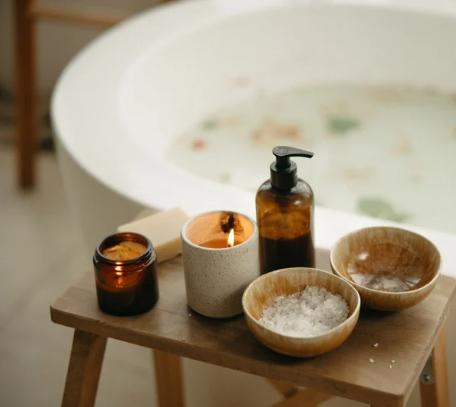
A Relaxing Bath Ritual
Many people enjoy adding Epsom salts to a warm bath after a long day.
The combination of warm water, quiet time and a peaceful environment can help create a relaxing experience that many people find comforting.
If you enjoy aromatherapy, adding a few drops of your favourite essential oil, such as lavender (properly diluted according to the manufacturer's instructions), can make the experience even more enjoyable.
Tired Feet
An Epsom salt foot soak is another traditional favourite.
After spending hours on your feet, soaking them in warm water with a small amount of Epsom salts can simply feel refreshing and provide an opportunity to relax.
Gentle Exfoliation
The crystals can also be used as a gentle body scrub when mixed with a little carrier oil or shower gel, helping to remove dry, flaky skin from areas such as feet, elbows and hands.
Always avoid using exfoliating scrubs on broken or irritated skin.
How to Use Epsom Salts
For a bath:
Add approximately 1–2 cups of Epsom salts to a warm bath.
Allow the salts to dissolve fully.
Relax in the bath for around 15–20 minutes.
For a foot soak:
Add around half a cup of Epsom salts to a basin of warm water.
Soak your feet for 15–20 minutes before drying them thoroughly.
A Few Things to Keep in Mind
Although Epsom salts are suitable for many people, there are a few sensible precautions.
Avoid using Epsom salts on broken, infected or severely irritated skin.
If you have diabetes, circulation problems or another medical condition affecting your feet or skin, seek advice from your healthcare professional before using foot soaks.
If you are pregnant, have kidney disease or have any concerns about using Epsom salts, consult your healthcare professional first.
Keep Epsom salts out of reach of children and always follow the instructions on the packaging.
Final Thoughts
For me, Epsom salts are less about finding a miracle remedy and more about creating a simple moment of relaxation.
A warm bath, a little quiet time and a chance to slow down can make a busy day feel much more manageable. Whether you enjoy Epsom salts in a bath, a foot soak or as part of your self-care routine, they're an inexpensive way to create a relaxing ritual at home.
Do you enjoy using Epsom salts? I'd love to hear how you like to include them in your self-care routine. Feel free to share your favourite ideas in the comments below.
Disclaimer: This article is for educational and informational purposes only and is not intended as medical advice. Research into the health effects of Epsom salt baths is ongoing, and individual experiences may vary. If you have a medical condition or concerns about using Epsom salts, seek advice from a qualified healthcare professional.